
Perturbation response
How local strain, field, coupling, or thermal changes alter a quantum sensing network.
Technology
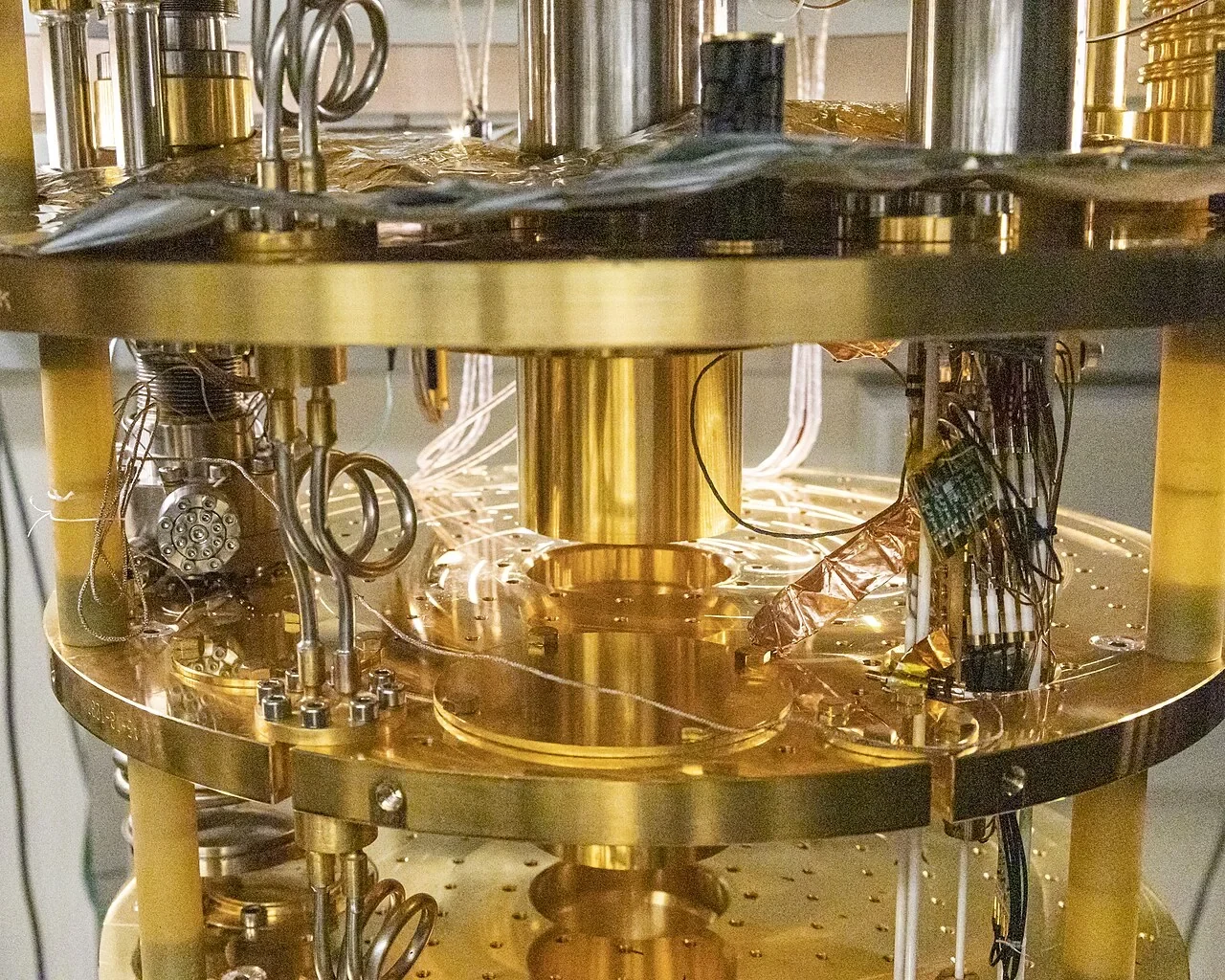
Invaris is developing methods that use the dynamics of interacting quantum sensors to detect local changes in materials and environments.
Core thesis
Conventional sensors often treat each measurement location independently. Invaris studies whether an interacting sensor network can reveal additional information by measuring how a perturbation changes system dynamics across space and time.
The objective is not simply to observe a quantum effect. The objective is to determine whether that effect creates a measurable advantage in defect detection, localization, or classification.
How local strain, field, coupling, or thermal changes alter a quantum sensing network.
Whether pairwise and network-level measurements improve localization of hidden changes.
How coherence, drift, temperature, vibration, and measurement error affect practical use.
Where the approach outperforms static sensing, correlations, spectroscopy, or established NDE methods.
Scientific discipline
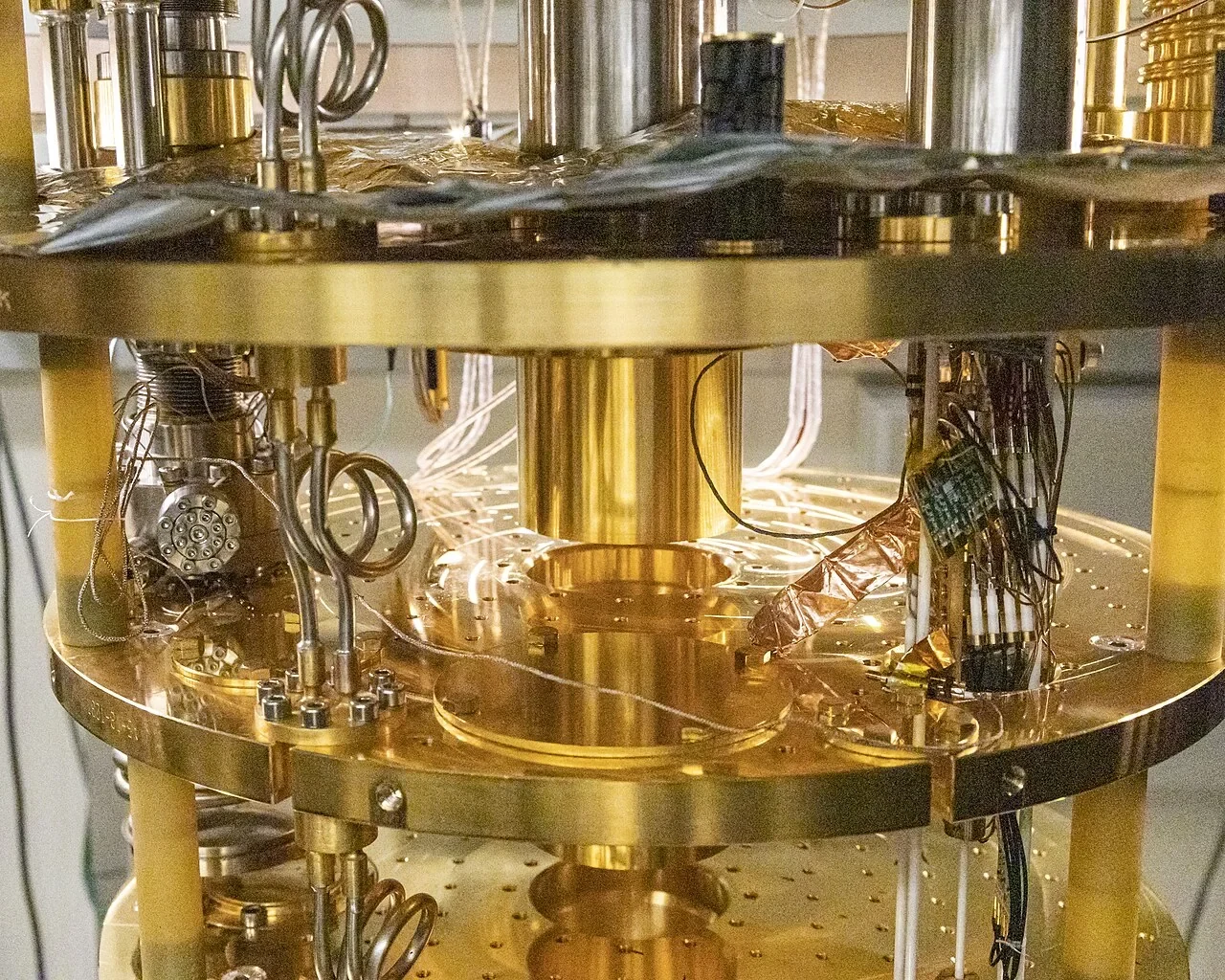
Invaris development is organized around explicit comparison baselines, repeatability criteria, failure conditions, and go or no-go thresholds.
View the research program