
Does the observable respond?
Determine whether controlled perturbations produce a repeatable, model-consistent change.
Research
The Invaris research program is designed to answer whether network-level quantum observables can provide practical sensing information that conventional methods do not.
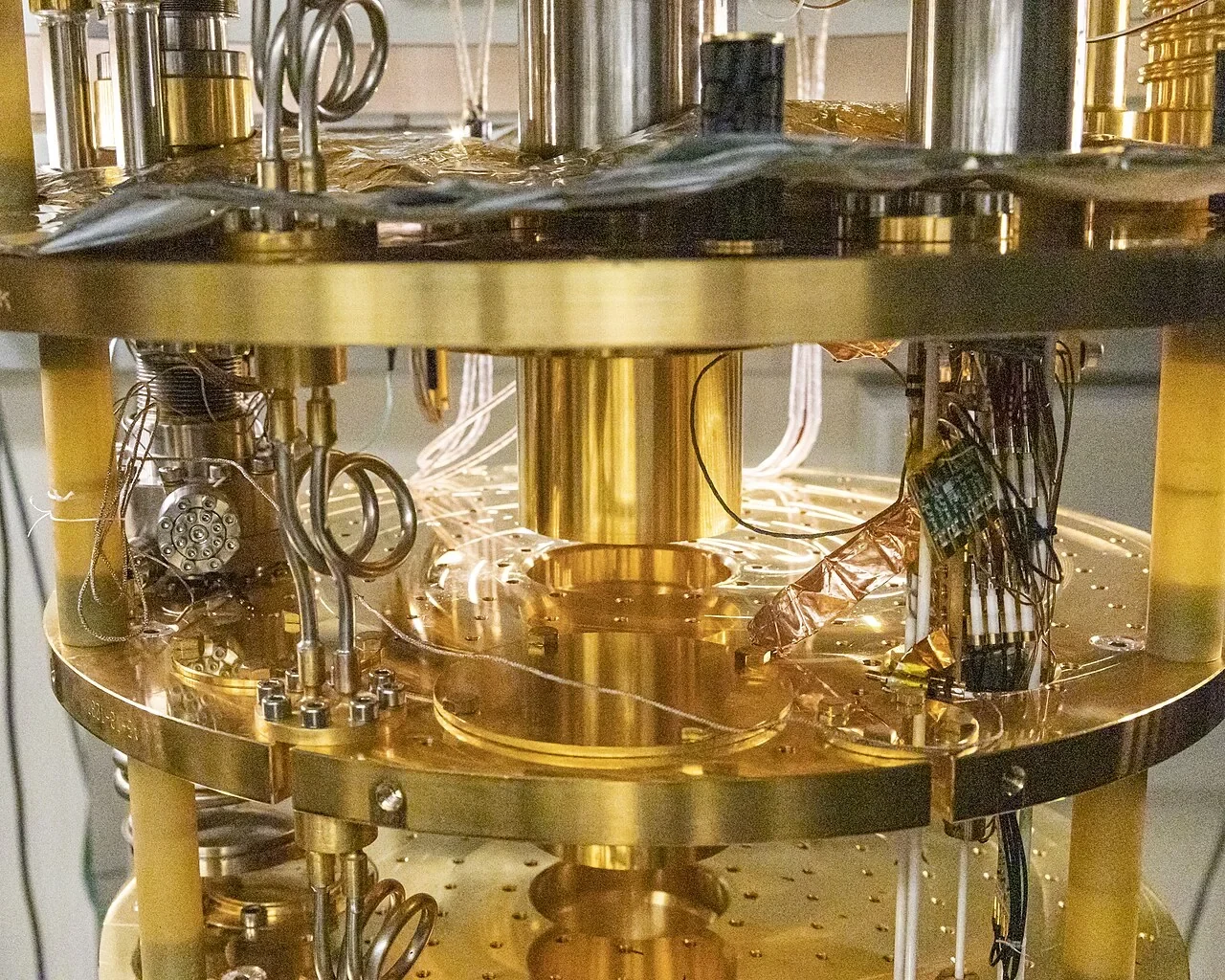
Research program
A negative result is useful if it establishes a clear boundary. The program is structured to produce defensible knowledge at every stage.
Determine whether controlled perturbations produce a repeatable, model-consistent change.
Compare performance against static sensing, spectroscopy, correlations, and accepted inspection methods.
Measure robustness to noise, drift, temperature, vibration, packaging, and operating constraints.
Build perturbation-response models and test them on controlled quantum systems.
Develop calibration, reference, and measurement protocols that separate target response from drift and decoherence.
Test the method in a representative material or component environment against incumbent measurements.
Validation discipline
Collaboration
Invaris works with organizations that can provide quantum systems expertise, relevant material environments, or rigorous comparison measurements.
Sensor implementation, control, readout, and many-body measurement expertise.
Controlled specimens, defect generation, reference characterization, and mechanical testing.
Application requirements, workflow constraints, and comparative validation.
High-risk measurement science, national-security applications, and transition pathways.